Regional Transit Information Study (RTIS)
About the Study
The Houston-Galveston Area Council (H-GAC), in partnership with Toole Design, Vesta Rea, Outside Voices, local transit providers, and the Texas Department of Transportation (TxDOT), conducted the Regional Transit Information Study (RTIS) to improve how transit information is communicated and accessed throughout the Houston-Galveston region.
Building on findings from the Regional Public Transportation Coordination Plan (RPTCP), the RTIS examined information barriers that can make it difficult for riders to understand what transportation services are available and how to access them. The study evaluated existing transit information practices, identified traveler information needs, reviewed best practices, and developed recommendations for more coordinated and user-friendly transit information across the region.
Through this effort, H-GAC and its partners:
- Evaluated existing transit information systems and reviewed best practices from local and peer agencies.
- Developed an evaluation framework and regional guidance to support improvements in information-sharing and customer communication.
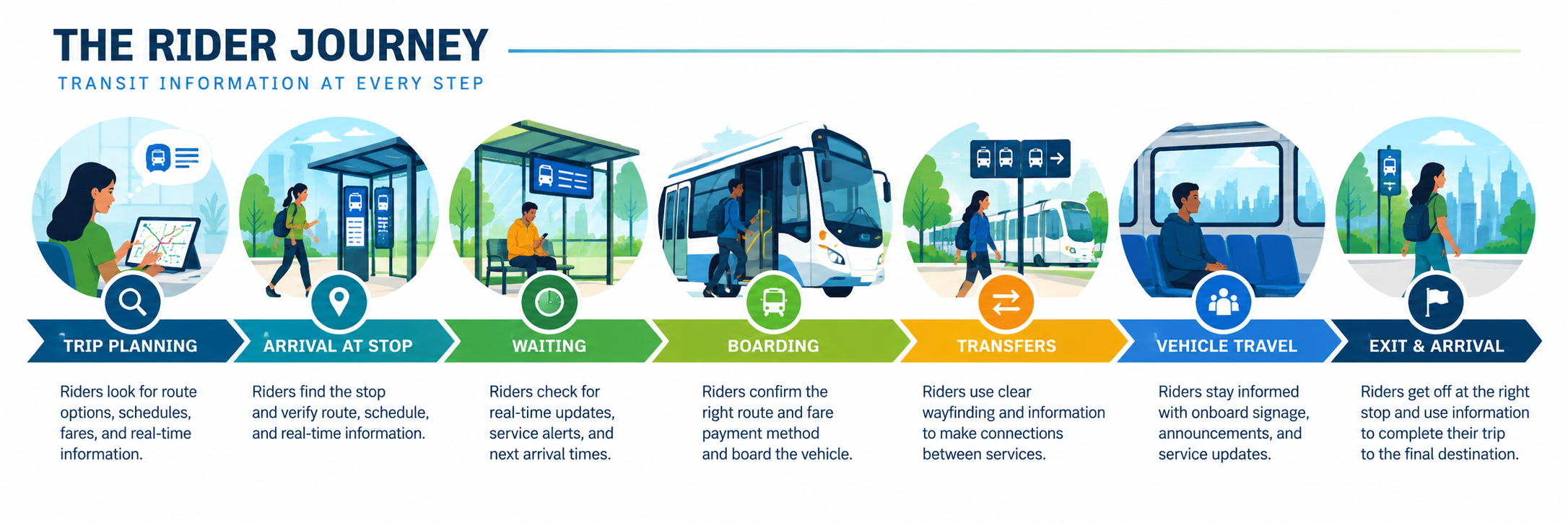
- Identified opportunities to improve trip planning, real-time service information, data consistency, and coordination of rider information across transportation providers.
The RTIS findings and recommendations provide a foundation for continued improvements to public transportation information across the 13-county Houston-Galveston region, helping riders more easily find, understand, and use available transportation services.
The study's findings and recommendations are documented in the Regional Transit Information Study Report and Regional Transit Information Best Practices Guide.
Why This Matters
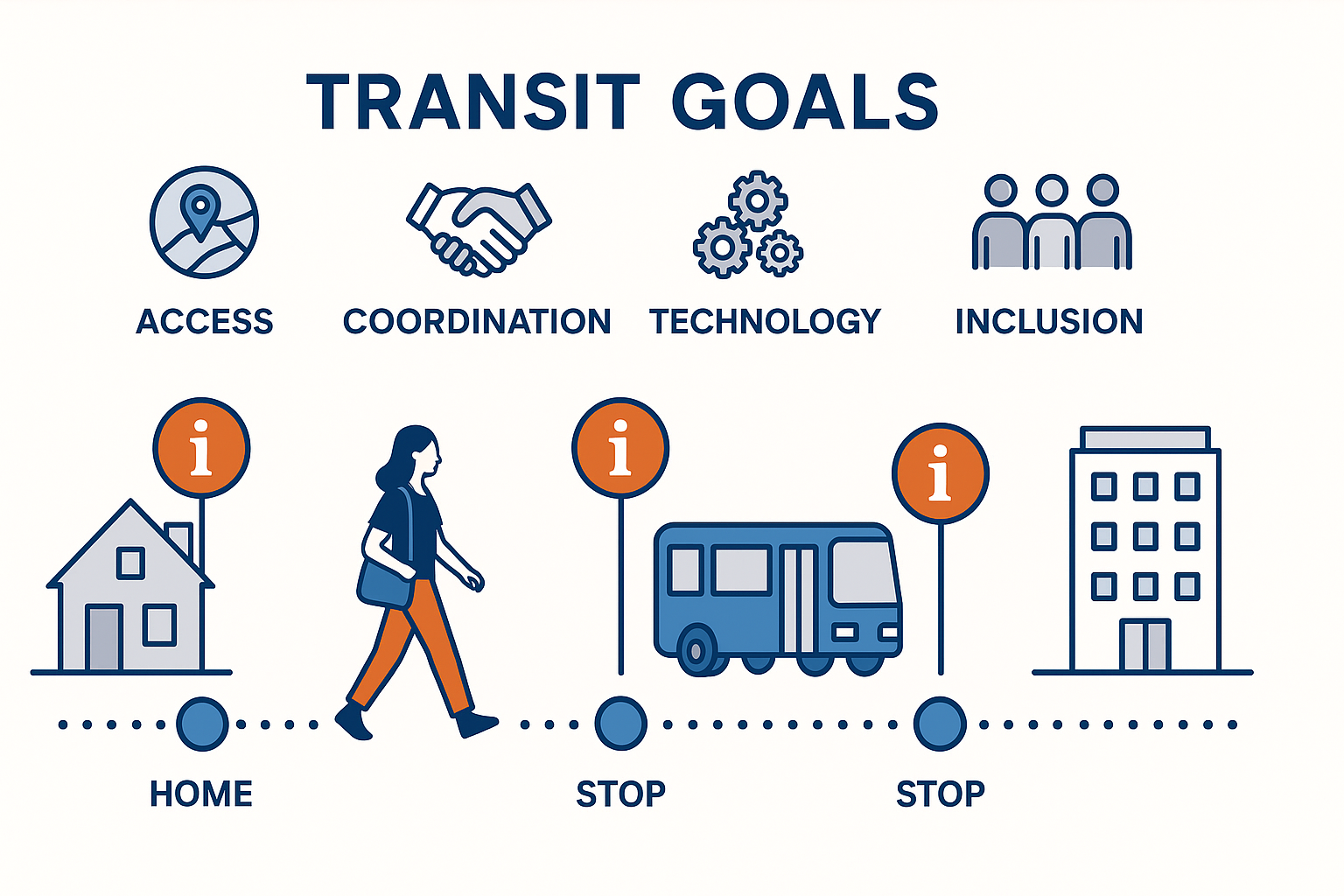
Many riders struggle to find consistent, easy-to-use information about bus routes, paratransit, microtransit, and regional connections.
Better information can help people make more informed travel decisions, especially older adults, individuals with disabilities, new riders, and others who may face transportation barriers.
The study identified strategies for regional coordination so riders can more easily access reliable trip information across the Gulf Coast region.
Find Transportation Services with Mobility Links
Looking for transportation services in the Houston-Galveston region? H-GAC’s Mobility Links helps residents find transportation providers based on their location and transportation needs.
Use Mobility Links to explore transportation options available in your community. https://www.h-gac.com/mobility-links/
Project Status
Completed
- Literature Review
- Traveler Information Needs Assessment
- Evaluation Rubric
- Peer Agency Review
- Transit Agency Interviews
- Steering and Stakeholder Committee Engagement
- Regional Recommendations
- Draft Final RTIS Report
- Regional Transit Information Best Practices Guide
Final Activities
- October 8, 2026: RTIS project update to the Regional Transit Coordination Subcommittee
- October 28, 2026: Final combined Steering and Stakeholder Committee meeting
- November 2026: Final project closeout
What Happens Next?
Findings and recommendations from the RTIS will support future regional efforts to improve rider information, data consistency, trip-planning resources, Mobility Links, and coordination among transportation providers.
RTIS recommendations are also incorporated into the 2027–2031 Regional Public Transportation Coordination Plan (RPTCP), helping connect the study's findings to future regional transportation planning and implementation efforts.